




Verbessern Sie Ihr Spielerlebnis mit unseren Dienstleistungen
Отримайте максимум від гри завдяки професійним рішенням
How to Read Dota 2 Patches: What the Numbers and Letters in Updates Mean
A patch — or "fix" — is a term that came from rather dark times but gained a new meaning in the context of the gaming industry. In Dota 2, a patch primarily refers to a change, innovation, or fix that partially or completely alters the gameplay experience.
Generally, patches can be divided into three categories:
- Update. A major game update: global changes affecting all or most of the game’s mechanics, graphics, and gameplay.
- Patch. A medium-sized update in terms of scale and significance, introducing minor adjustments to the game world, balance, skills, or their algorithms that affect stats.
- Bug fix. Fixing issues in game mechanics, graphics, gameplay, skills, character behavior, technical glitches, or exploits that allow unfair advantages.
All these changes are usually bundled into a Dota 2 patch, and each update is labeled with special codes, mainly numbers and letters. Today, you'll learn how to read these codes and understand the content introduced in a new Dota 2 patch.
The History of Patches in Dota: From the First Version to Today
The first Dota 2 patch appeared back in 2011 with the release of the closed beta. Most updates up to 2013 (the public launch) gradually introduced heroes and polished mechanics but didn’t bring any drastic changes.
In 2013, Dota 2 patch 6.79 slightly changed the "turtle" strategy and the experience gain system. In 2014, a new Dota 2 patch introduced rune mechanics and changed the map geometry. In 2015, the release of Dota 2 Reborn marked the final step toward the game’s modern form.
The global Dota 2 patch 7.0 introduced the talent system, revamped the HUD, added a new hero, and changed the map. Up to 2020, new heroes appeared, mechanics evolved, and the gameplay shifted toward a more dynamic style.
The 2020–2023 period was marked by balance tweaks in patches 7.27, 7.30, and 7.32.
With patch 7.33, the game underwent massive changes. For instance, the map was expanded by 40%, new bosses and gatekeepers were added, and Roshan mechanics were changed. The latest Dota 2 patch, 7.38c, brought balance adjustments and fixed a number of serious issues.
How is patch numbering structured?
To identify changes in each update, a numbering format X.Y.Z is used:
- X – a global Dota 2 patch with many major changes. For example, the transition from version 6.yz to 7.yz, where all aspects of the game were radically overhauled.
- Y – fairly large-scale changes affecting the map, mechanics, talents, gameplay, and introducing new heroes, items, and systems.
- Z – minor changes, often related to bug fixes, balance tweaks, damage adjustments, mechanics, damage calculation systems, and how skills interact with the environment.
Patch numbering can also include letter values like a, b, c, and so on. These indicate balance changes for specific heroes or small mechanical adjustments.
How often are patches released, and why?
Each Dota 2 patch changes something in the game, which means it can negatively affect players who are actively learning the meta. And while Valve doesn't follow a strict patching strategy, some patterns can be observed:
Major updates are released about 1–2 times a year. These come with a lot of changes, making it a good time to study what's new.
Medium-sized updates appear every 2–3 months and bring new mechanics, reworked skills, heroes (sometimes new ones), items, and map updates.
Small patches are released every 2–6 weeks and usually contain minor balance tweaks, adjustments to hero stats, skills, items, and occasionally map changes.
Recently, the developer has been in no hurry to roll out new updates, focusing instead on fewer but more meaningful changes.
How do patches change game balance?
The changes affect various aspects. For example, the amount of damage dealt might be fixed, or the AOE skill mechanics might be changed so damage is applied even to static objects. More global updates involve major hero and map reworks, encouraging players to explore new characters, combinations, and tactics.
For instance, an upcoming Dota 2 patch might impact the current meta by weakening it or, on the contrary, strengthening already trending heroes.
No matter how patches change the gameplay, you should still improve your skills with all heroes. This is much easier if you use the mentoring service offered by Goranked.GG.
Lesen Sie auch



GTA 6 vs GTA 5: Jede große Änderung, die im nächsten Spiel von Rockstar kommt
Ein detaillierter Vergleich von GTA 6 vs GTA 5, der Kartendesign, Gameplay, KI, Grafik, Story und Online-Modus abdeckt, um alle wichtigen Änderungen im nächsten Spiel von Rockstar hervorzuheben.
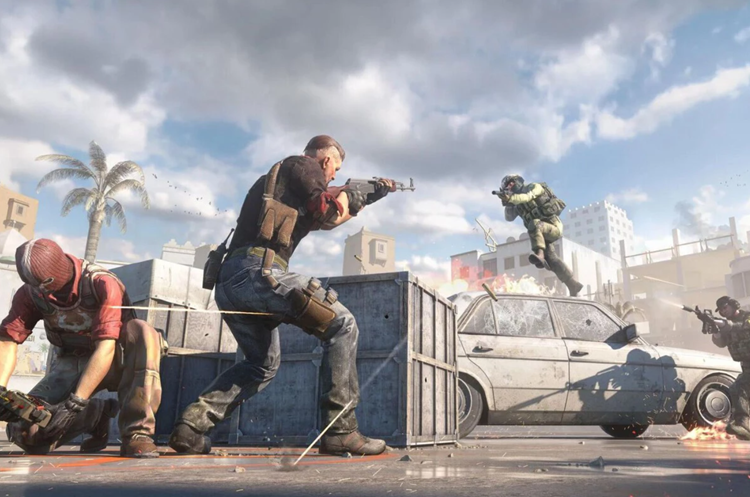

CS2 Reload Überarbeitung — März 2026 Update
Valve hat im März 2026 das Nachladesystem von CS2 überarbeitet – ungenutzte Magazinammunition wird jetzt beim Nachladen verworfen, sodass jede Kugel zählt. Hier ist alles, was sich geändert hat, welche Waffen am stärksten betroffen waren und wer als Gewinner hervorging.

WoW Addons Guide: Alles, was du wissen musst
Ein vollständiger WoW-Addons-Leitfaden, der Midnight-Änderungen, essentielle Einstellungen und die besten Addons für Benutzeroberfläche, Raids und Lebensqualität in World of Warcraft abdeckt.

Dota 2 Solo-Queue-Leitfaden: Die besten Helden, um dein MMR zu steigern
Beste Dota 2 Solo-Queue-Helden, um dein MMR schnell zu steigern. Erfahre, welche Picks ohne Teamkoordination Wirkung zeigen und wie du den richtigen Helden wählst, um deine Spiele konstant zu tragen.

Fortnite – Tipps & Tricks von den Profis
Fortnite-Tipps und -Tricks für jedes Fähigkeitsniveau. Lerne grundlegende Anfängerkenntnisse, fortgeschrittene Strategien und fortgeschrittene Techniken, um dein Gameplay zu verbessern, mehr Kämpfe zu gewinnen und in Matches konstant höher zu platzieren.

Beste Champions für den LoL Arena-Modus
Beste LoL Arena-Champions, Top-Picks und Gewinnstrategien. Lerne, wie du Augments, Champion-Synergien und Builds nutzen kannst, um den League of Legends Arena-Modus zu dominieren und schneller aufzusteigen.
Kommentare zum Artikel
Поки немає коментарів. Будьте першим!
Kommentar hinterlassen